
🇰🇷 Study in South Korea
Seoul's biggest-name universities, low tuition, and a booming tech economy.
Low tuition, a fast-growing tech and entertainment economy, and a high visa approval rate - South Korea is our fastest-growing destination, with fully-funded GKS scholarships available for those who qualify.
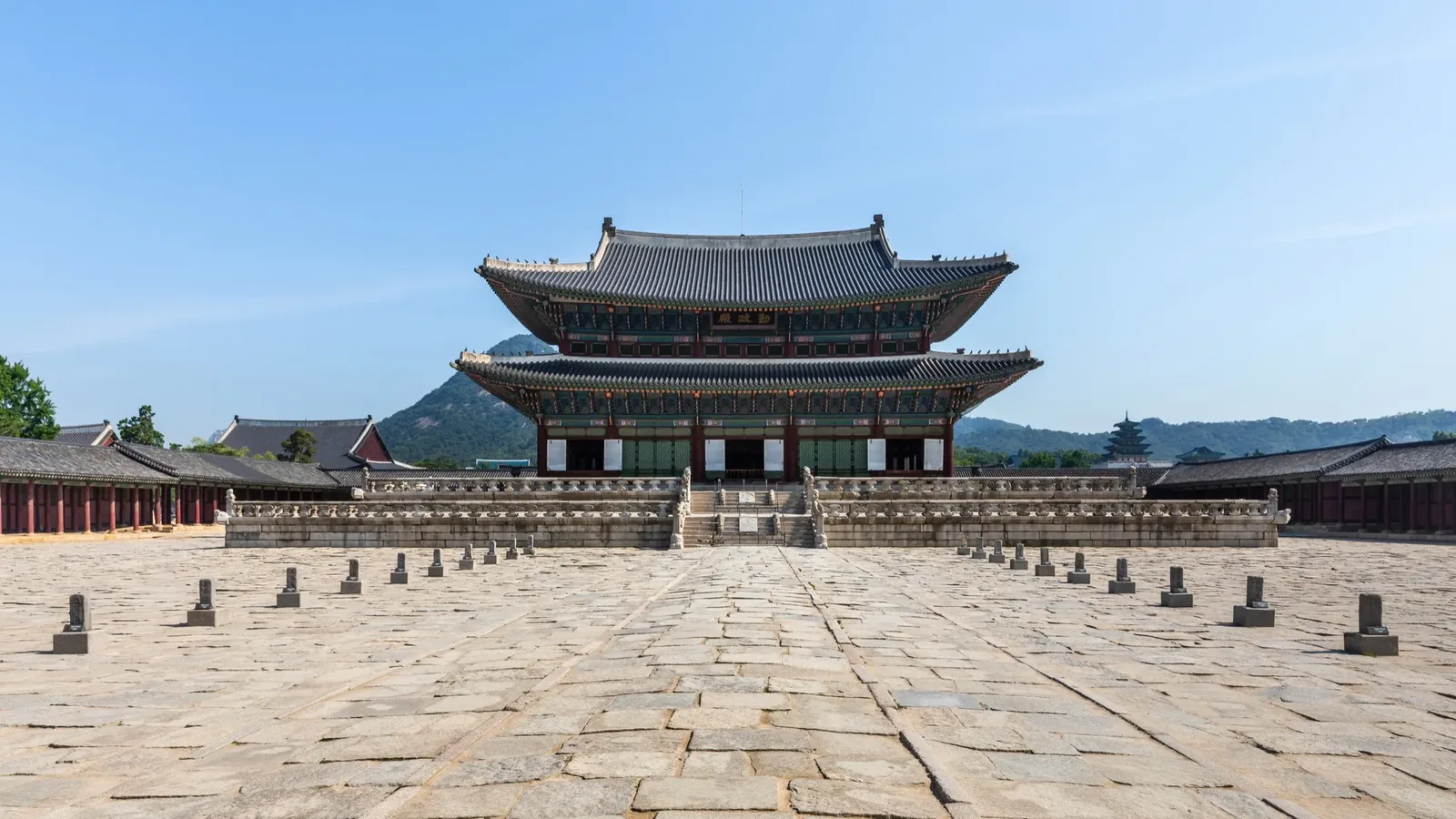
Why here
Why students choose South Korea.
The reasons our students actually give, not brochure copy.
A booming tech & entertainment economy
Samsung, LG, Hyundai and Korea's global entertainment industry create real graduate demand.
Low cost, high energy
Tuition and living costs well below the UK, USA or Australia, in cities built around student life.
Strong, improving visa approval
97% success and rising, as our TOPIK-linked documentation process matures each intake.
GKS scholarships, for those who qualify
For eligible students, Korea's GKS government scholarship can cover tuition, a monthly stipend, settlement allowance and flights.
At a glance
South Korea in six numbers.
Worth knowing
Interesting facts about South Korea.
Home to three of Asia's biggest conglomerates
Samsung, LG and Hyundai all recruit heavily from Korea's top universities, including international graduates.
A one-year Korean language course is common first
Many students study at a university language institute before starting their degree - it's built into most timelines.
A famously connected, digital-first country
Some of the fastest internet and most cashless-friendly cities anywhere make daily student life remarkably convenient.
GKS is one of the world's most complete scholarships
For those who qualify: tuition, a ₩900,000–1,000,000 monthly stipend, a settlement grant and airfare - covering nearly every cost of studying.
What's worth studying
Popular courses in South Korea.
What our students are enrolling in most - your counsellor narrows this to your background and goals.
International Studies
Popular English-taught degrees at Yonsei, Korea Univ.
Business Administration
Strong ties to Korea's major conglomerates.
Computer Science
Fast-growing, backed by Korea's gaming & IT sectors.
Media & Communication
Tied to Korea's global entertainment industry.
Design
Strong in product, UX and fashion design.
Electronics Engineering
Backed by Korea's semiconductor industry.
Korean Language & Literature
Common foundation year before major study.
Public Administration
Popular across Korea's top universities.
Biomedical Science
Strong research funding at KAIST and POSTECH.
Hospitality & Tourism
Growing field tied to Korea's tourism sector.
Where you could study
Top universities in South Korea.
Part of our 100+ partner university network - your counsellor builds the full shortlist around your grades and goals.
Yonsei University
Seoul's big-three · top global ranking
Korea University
Top-ranked business & international studies
Seoul National University
South Korea's most prestigious national university
Sungkyunkwan University
Strong business & engineering, Samsung partnership
Hanyang University
Leading engineering-focused university
Kyung Hee University
Popular with international students, strong hospitality
Ewha Womans University
Leading women's university, strong humanities
Sogang University
Strong business & international studies, Jesuit heritage
Budget it out
What studying in South Korea actually costs.
Seoul costs noticeably more than Busan, Daejeon or Gwangju - a real lever if your budget is tight.
Tuition, by level
Estimated living costs
What you’ll need
Admission & eligibility.
General requirements for South Korea - your counsellor confirms the exact list for your target universities and course level.
- Academic transcripts & certificates
- Statement of Purpose / study plan
- Two academic references
- Passport & financial evidence (self-funded routes)
- GKS application via Nepal embassy or partner university (scholarship route)
Funding it
Scholarships for South Korea.
Merit, need-based and government-funded options our students have actually won.
Global Korea Scholarship (GKS)
Korea's flagship government scholarship for undergraduate and graduate international students, university- or embassy-track.
Working while and after
Career opportunities in South Korea.
Part-time work
20–25 hours/week with a part-time work permit, more during official breaks.
Post-study work
D-10 job-seeking visa for up to 2 years after graduation while pursuing employment.
In-demand industries
Day to day
Student life in South Korea.
Accommodation
University dormitories are affordable and common in year one, from ₩300,000/month.
Getting around
The T-money transit card covers subway and bus across every major city, and it's genuinely cheap.
Safety
South Korea is widely regarded as one of the safer countries for international students to live in.
Culture & community
University festivals, K-culture clubs and language exchange meet-ups are the fastest way to make local friends.
Still deciding
Questions about studying in South Korea.
Your next chapter starts with a chat
Stop researching.
Start applying.
You’ve read enough guides. One message to a real counsellor tells you exactly where you stand - which country, which course, what it costs, what’s possible. Free, and with zero pressure to commit.
Typical reply time: under 2 hours, 7 days a week.